The Disappearance of The Staff of Life
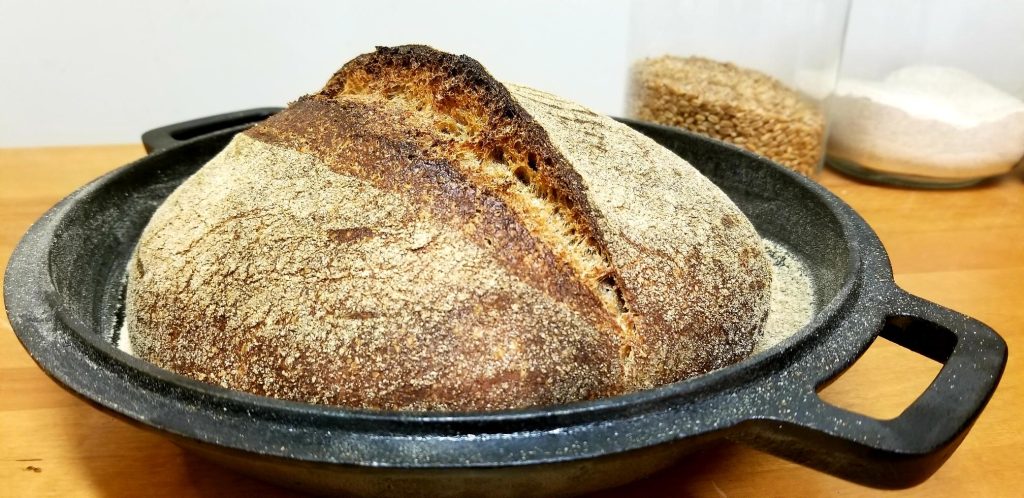
“Try and find a good loaf. You can travel fifty thousand miles in America without once tasting a piece of good bread.”
Henry Miller in The Intimate Henry Miller, Signet 1959
All I Wanted Was Good Bread—Turns Out I Was Asking for Too Much
Henry Miller articulated exactly what I felt in 2019, when I went on a mission to find good bread.
I went from store to store, beelining for the bread aisle, picking up loaf after loaf and studying the package.
I’d put one back. Pick up another. Read the label. Put that one back too.
Again. And again. And again.
Until one day, I found myself standing in yet another bread aisle with another loaf of bread in my hands, completely fucking frustrated.
My blood was boiling. My cheeks were wet with tears.
“WHY can’t I find a single loaf of bread that is made of real whole food we’d find in the dirt and in our pantry?! Why does every last loaf have to have laboratory-made ingredients I can’t pronounce that the human body just doesn’t need?” I said out loud to absolutely no one in particular, as the people around me began backing away slowly.
That was my turning point.
I realized something: the bread I was looking for simply wasn’t for sale in a store near me.
But what exactly was I looking for? What even is “good bread”?
It’s not really about whether it’s soft and squishy, chewy and crusty, sour or mild. There are seemingly infinite kinds of bread, and people have wildly different preferences.
I’m talking about something deeper.
For me, good bread is as good for you as it is good to eat.
It is nourishment and pleasure. Nutrition and flavor. It should make you feel good before, during, and after eating it, rather than make you feel like you’re choosing between something delicious and something good for you.
And I believe that kind of bread comes from simple ingredients and traditional methods.
So I started asking questions.
How did we get here?
Is the bread lining supermarket shelves today actually the same food our ancestors depended on?
Is it the same bread that earned the title “staff of life”?
How did one of humanity’s oldest and most important foods become something that so many people now believe they need to avoid or restrict?
What changed?
Eventually, I realized that if I wanted to understand what had happened to bread, I had to follow its journey from the wheat field to the supermarket shelf, starting with the seed.
It turns out that nearly every stage of bread production has changed over the past century and a half.
The wheat is grown differently.
It’s milled differently.
The flour is processed differently.
The dough is mixed, fermented, and baked differently.
So let’s follow the yellow brick road and find out what the hell happened to bread.
The Field
Before wheat becomes flour, before flour becomes dough, and before dough becomes the loaf sitting on your kitchen counter, it all starts with a seed in a field.
And how that seed is grown matters.
Traditional farming worked hand-in-hand with nature.
Farmers relied on interconnected systems of crops, animals, and microorganisms, using practices like crop rotation and composting to naturally fertilize the land and control pests.
Then we traded the patient hands of nature for roaring machines and a system driven by synthetic fertilizers and pesticides.
We swapped diverse, living fields for endless miles of a single crop.
We gained efficiency and scale.
But what happens in the field doesn’t stay in the field.
Soil health, microorganisms, plants, insects, animals, the quality of the water we drink and the food we eat and ultimately our own health are all part of an interconnected living system.
Each influences the others in ways we’re only beginning to understand.
And wheat is no exception.
The Chemicals in Our Wheat
One example is pre-harvest desiccation: the use of certain herbicides, including glyphosate, shortly before harvest to speed drying and harvesting. This can leave detectable residues on harvested grain and, consequently, in foods made from it.
Glyphosate is the active ingredient in Roundup, one of the world’s most widely used herbicides.
The International Agency for Research on Cancer (IARC), part of the World Health Organization, classified glyphosate as “probably carcinogenic to humans” (Group 2A).
And it’s just one of many chemicals used in modern wheat production.
The USDA’s 2024 Agricultural Chemical Use Survey documented 107 different pesticide active ingredients used on winter wheat, 83 on spring wheat, and 64 on durum wheat.
And those numbers refer to active ingredients, not the complete commercial formulations in which they’re used.
That’s important because research has found that combining chemicals can produce synergistic toxic effects that aren’t seen with just glyphosate alone:
Glyphosate Commercial Formulation is Poisonous to Cells, Causes Oxidative Stress and Programmed Cell Death
Modern bread begins with a wheat crop that is produced very differently from the wheat that entered traditional mills.
And we’re only at the beginning.
The Mill
By the late 1800s, the advent of roller mills revolutionized flour production.
Before roller mills, wheat was traditionally ground between stones, producing flour that retained the whole wheat kernel with the bran, germ and endosperm.

Bottom-Left: A type of rotary quern, a modern hand mill that looks a lot like my Samap Model V
Right: An adorable golden retriever puppy operates a traditional animal-powered stone mill
If you wanted white flour, the pigmented bran and germ then had to be separated from the lighter-colored endosperm.
It was a time-consuming and labor-intensive process that made white flour more expensive and, for much of history, a luxury for the rich.
Roller mills changed that.
Instead of grinding the entire kernel and then laboriously separating its parts, roller mills could break the wheat apart and efficiently separate the bran, germ, and endosperm on an industrial scale.
For the first time, large quantities of refined flour could be produced quickly, efficiently, and cheaply.
And that changed bread.
What Happens When the Bran and Germ Are Removed
“The whiter your bread, the quicker you’re dead.” – Dr. P. L. Clark’s Home Health Radio, c. 1929
White flour can give us lighter and fluffier breads and baked goods.
But it also changes the nutritional composition of the grain.
You’re no longer eating a whole food. You’re eating a refined product—a fundamentally different food that your body experiences differently.
And I can’t help myself raise an eyebrow to that word: refined.
Merriam-Webster defines “refined” as “free from impurities.” In everyday language, “refined” can suggest something improved or purified.
But are the bran and germ really impurities? Is refined wheat flour really an improvement?
Well, that depends on what you value. If it’s nutrition and health, then the answer is no.
Whole wheat contains fiber, B vitamins, vitamin E, healthy fats, minerals like magnesium, manganese, zinc, iron, phosphorus and selenium, along with antioxidants, phytonutrients and hundreds of other beneficial plant compounds that contribute to overall health.
Research shows that the refining process can reduce some of these nutrients by over 90%!
These nutrients are concentrated in the bran and germ.
Without the bran and germ, you’re left with a nutrient-poor quick-hit starch that’s quick to digest, quick to spike blood sugar and quick to leave you wanting more.
The nutrients stripped away from white flour are essential for:
- Energy production
- Immune function
- Cellular repair and growth
- Hormone regulation
- Brain and nervous system health
- Healthy blood formation
- Appetite control
- Strong bones and muscles
- Protecting cells from free radical damage
- Plus hundreds of other processes that keep your body functioning
Meet the Three Parts of a Wheat Kernel
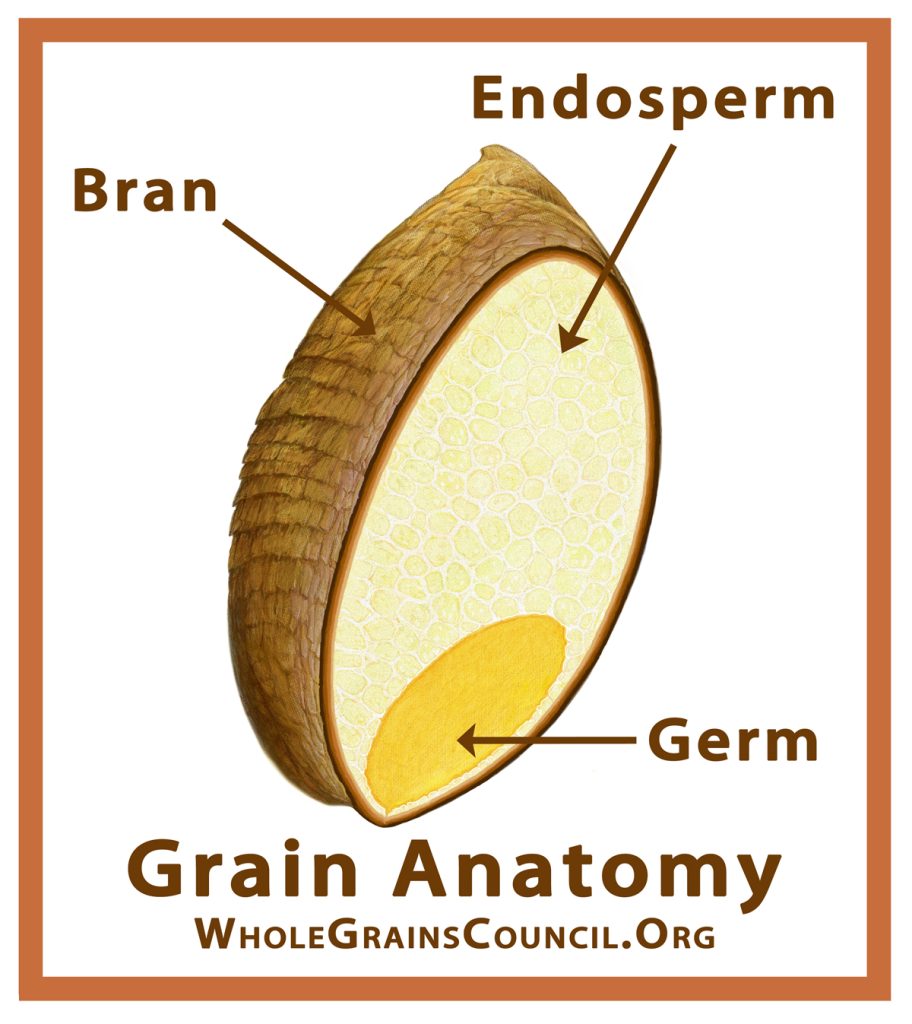
A whole wheat kernel consists of three main parts:
- the bran – the multilayered hard protective outer coating
- the germ – the living embryo that sprouts into a new plant
- the endosperm – the starchy, protein-packed fuel tank that feeds the growing seed
Together, these parts form a whole food in which fiber, fats, proteins, vitamins, minerals and hundreds of other naturally occurring compounds interact, influencing how the food is digested and how its nutrients are absorbed and used by the body.
This complex structure digests more slowly, helping you feel full for longer. (It’s quite shocking how much more satiating real whole grain flour is compared to refined flour!)
Strip away that structure, and the picture changes.
Refined flour is digested more rapidly and can cause blood sugar to rise more quickly. White bread made with refined flour even has a higher glycemic index than pure table sugar!
Repeated consumption of refined grains has been linked to metabolic health concerns, including higher risks of type 2 diabetes, weight gain, and cardiovascular disease.
Meanwhile, decades of research have linked higher whole grain consumption with lower risks of obesity, type 2 diabetes, colorectal cancer, cardiovascular disease and all-cause mortality.
History has shown us the consequences of building a diet around foods stripped of essential nutrients.
“Vitamin starvation makes people sick…People starved for Vitamin C…get the sickness known as scurvy. Oriental people living on a diet consisting almost entirely of polished rice got a strange disease called beriberi. They were starved for a vitamin found in the outer, branny coat of the rice kernel.” – Jane Stafford, Science News Letter for January 11, 1941
In the early 1900s, just a few decades after the widespread adoption of roller mills, millions of people suffered from nutrient-deficiency diseases, including pellagra, a niacin (vitamin B3) deficiency, beriberi, a thiamine (vitamin B1) deficiency, and iron-deficiency anemia.
When white flour became a dominant dietary staple for entire populations for the first time in history, the loss of these nutrients became an important public health concern.
The Band-Aid Solution: The 1943 Wartime Mandate
“White flour is a product of human ingenuity which has been robbed of its natural nutrients. To call the addition of synthetic vitamins ‘enrichment’ is a misnomer; it is merely an attempt to make a bad food slightly less bad.” – Dr. Anton J. Carlson, University of Chicago physiologist, c. 1942
The public health crisis was exposed when the United States prepared to enter World War II.
Hundreds of thousands of men were unfit to fight, with malnutrition causing at least a third of all rejections.
Nutrition became a matter of national defense and triggered the 1943 mandate requiring the use of enriched flour in white bread, since no other food supplied Americans with more calories.
As of October 2026, 85 countries mandate fortification of refined wheat flour.
In Canada, it is illegal to sell unenriched refined wheat flour.
Enrichment vs. Fortification
What’s the difference between enrichment and fortification? If you’re confused, you’re not alone. The terms are often used interchangeably.
Enrichment means restoring nutrients lost during processing, while fortification means adding nutrients that weren’t originally present, or increasing the amount of a nutrient already present.
In Canada, enriched refined wheat flour must contain five added nutrients: thiamin (B1), riboflavin (B2), niacin (B3), folic acid (B9), and iron. Four others—vitamin B6, d-pantothenic acid, magnesium, and calcium—may also be added.
These nutrients are also among those most commonly used in wheat flour fortification around the world.
It may be just enough to prevent some diseases caused by nutrient deficiencies, but is it enough to recreate what was lost?
Nutrition researchers have compared whole foods to an orchestra: individual nutrients are like individual instruments, but their true power lies in how they work together. This interplay is known as food synergy and helps explain why the whole is greater than the sum of its parts.
“…for when the finest flour is separated from the coarsest and branny parts, neither the one nor the other has the true operations of the wheat meal…” – The Way to Health, Long Life and Happiness, Thomas Tryon, 1683
Grain-based foods provide more than half the calories consumed worldwide, yet many people still lack essential vitamins and minerals. It makes me wonder:
What difference could we make simply by replacing some of the refined grains we eat every day with real whole grains?
And there’s another question worth asking:
Are synthetic nutrients equivalent to the nutrients that were naturally present?
The Solution Canada Abandoned
Interestingly, Canada initially refused to join the United States in adding synthetic vitamins to flour, legally classifying the practice as a criminal act of food adulteration under the federal Food and Drugs Act.
Instead, through Order in Council P.C. 489, the government mandated a high-extraction milling process that retained the nutrient-dense germ and bran, known as “Canadian Bread” or “Canada Approved Vitamin B Bread.”
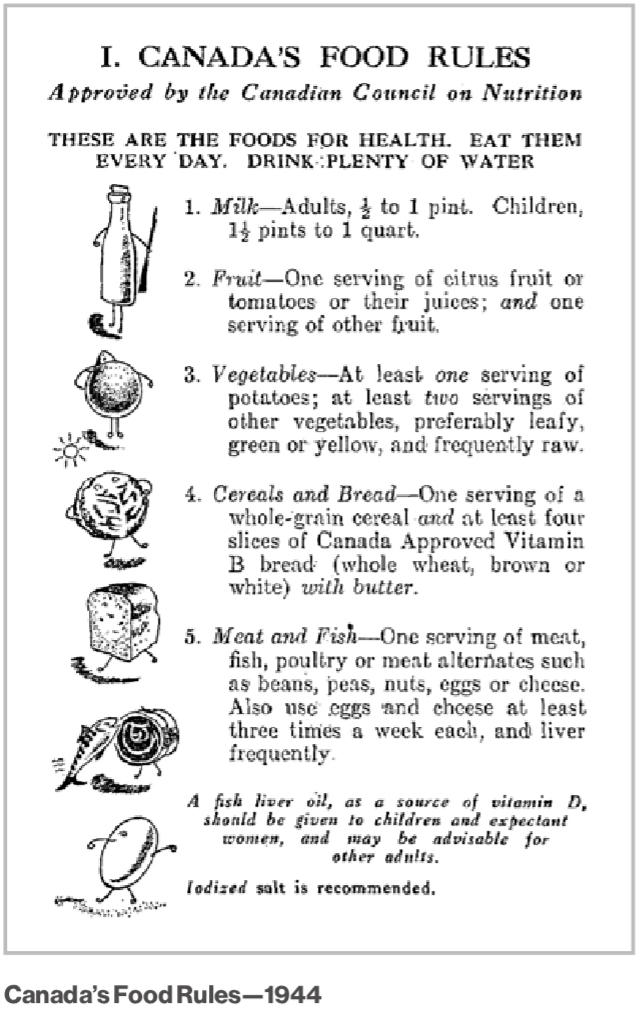
Unfortunately, Canada conceded in 1949 since the more nutritious flour was not shelf-stable.
Flour Treatment
Before flour ever becomes bread dough, it may be treated to improve its color, shelf life, and baking performance.
A Little Flour Chemistry
Flour isn’t naturally bright white. It’s processed to become that way.
Fresh flour can contain naturally occurring pigments, including carotenoids, anthocyanins, phlobaphenes and tannins.
Depending on the grain, these give flour shades of cream, yellow, gold, red, purple, blue or even black.
These compounds are responsible for the colors in our fruits and vegetables, as well as their antioxidant activity.
Expose flour to oxygen, and its color begins to fade. And it doesn’t take long!
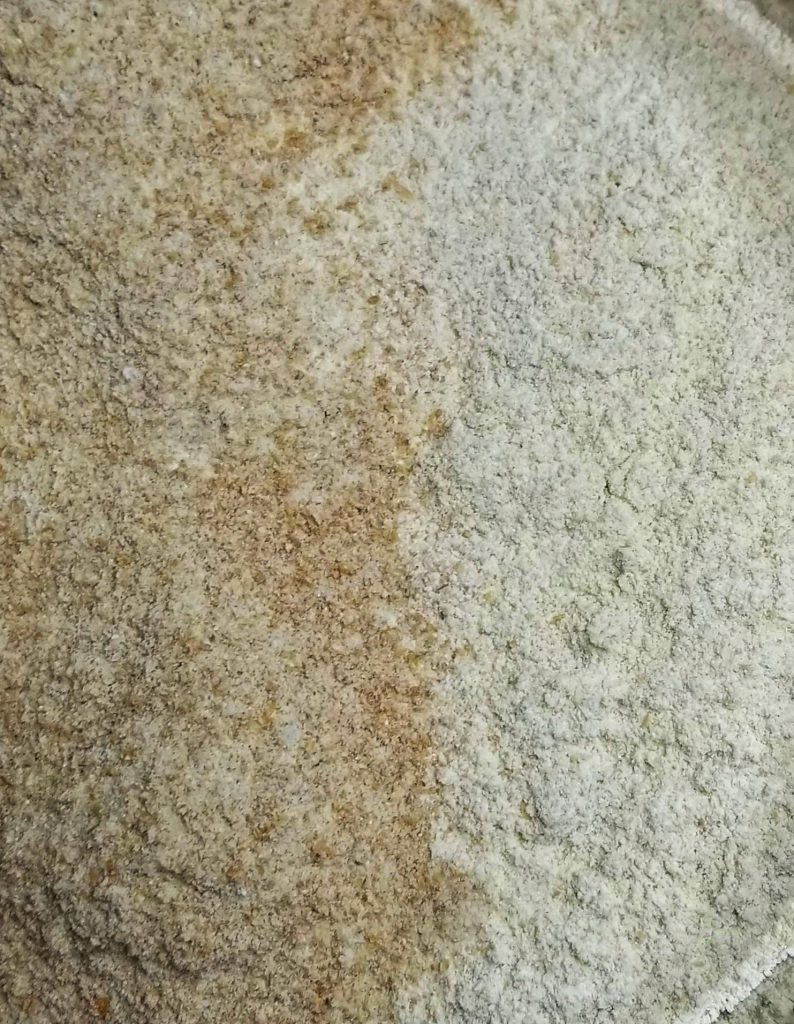
Because oxidation was found to improve dough quality and the finished product, bakers traditionally allowed flour to sit for weeks or even months to “age” before using it.
Modern flour processing skips this time-consuming, expensive process by using “flour improvers,” chemical bleaching and maturing agents.
Depending on local regulations and the type of flour, these agents can include:
Benzoyl Peroxide
- Synthetic chemical
- Bleaching agent
- Destroys nutrients
- Linked to respiratory issues, cellular inflammation, liver strain and ADHD-like risks in susceptible children
- Banned in the EU, UK, China, Turkey
Azodicarbonamide
- Synthetic chemical
- Oxidizing agent and dough conditioner
- Linked to cancer
- Banned in the EU, UK, Australia, Singapore
Potassium Bromate
- Synthetic chemical
- Dough strengthener
- Genotoxin and carcinogen that breaks DNA strands, causes thyroid tumors and severe liver toxicity
- Banned in the EU, UK, Canada, China, Brazil, India, Japan
Chlorine gas
- Synthetic chemical
- Bleaching and maturing agent
- Produces toxic byproduct alloxan used in labs to induce diabetes in rodents
- Banned in the EU, UK, Canada, China
…just to name a few.
And Then There’s the Yeast
Even the way we make bread rise has changed.
It all started in 1868 when the Fleischmann brothers developed the world’s first commercial yeast product.
Before that, bread was naturally leavened with a living culture of wild yeasts and bacteria. Given time, they ferment the dough, producing carbon dioxide that makes the bread rise, along with acids and other fermentation products that contribute to complex flavors, aromas and textures.
Long fermentation changes the bread by reducing antinutrients, breaking down components that can be difficult to digest like gluten, and improving nutritional quality and digestibility.
Commercial yeast, on the other hand, was developed for speed, consistency and efficiency. It allows dough to rise quickly and predictably.
But when speed replaces long fermentation, some of the benefits that occur during traditional breadmaking are lost.
Now that we have our pesticide-laced, nutrient-stripped, enriched and chemically treated flour, it’s finally time to make bread with it!
Flatbread requires just three ingredients: flour, water and salt.
Leavened bread needs yeast, too.
A soft, squishy sandwich loaf might include a little sweetener and fat.
That’s it. A handful of simple ingredients. Or that’s supposed to be it . . .
The Supermarket Loaf
Let’s take a look at what goes into one of the most recognizable breads of North America, Wonder Bread.
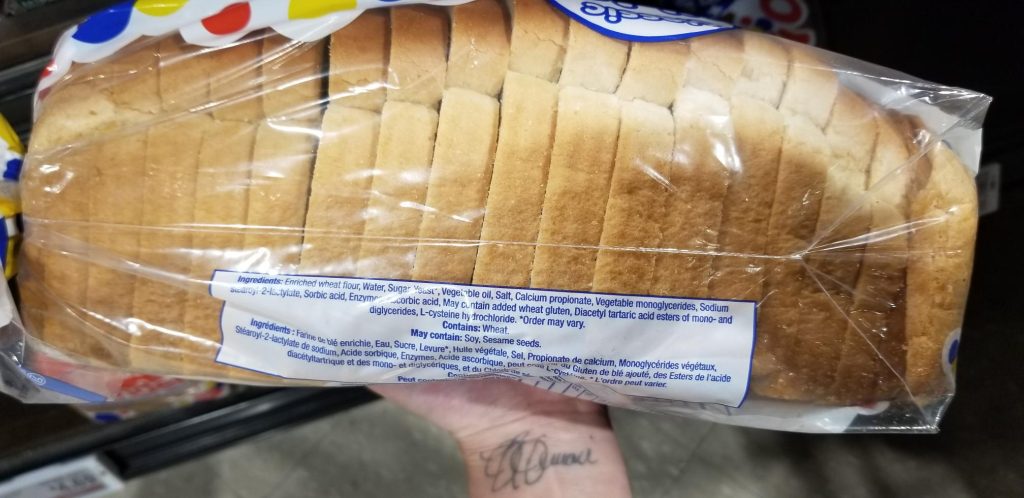
Compare that with a homemade sandwich loaf made from flour, water, salt, yeast, honey and butter. Wonder Bread’s ingredient list has more than twice as many ingredients, most of which you probably wouldn’t find in your kitchen cupboard.
Industrial bakeries need to produce millions of identical loaves.
The dough must withstand powerful machinery, behave predictably, and keep the bread fresh for weeks.
That’s where those unrecognizable ingredients like preservatives, emulsifiers, dough conditioners, enzymes, and added sugars and fats come in.
These breads are classified as ultra-processed foods under the NOVA system which have been strongly linked to a wide range of poor health outcomes.
But surely whole wheat bread is the solution.
Right?
Not so fast.
Whole Wheat Bread Is The Solution—Not
Here’s something most people probably don’t realize: in Canada, “100% whole wheat” does not necessarily mean that 100% of the original wheat kernel made it into the flour.
Health Canada explains that when wheat is milled, parts of the kernel are separated and then recombined to make whole wheat flour, with up to 5% of the kernel removed to reduce rancidity and extend shelf life.
That’s convenient. The germ is only about 3.5% of the wheat kernel and houses much of the nutrients!
Some “100% whole grain” flours were found to be as little as 60% to 70% whole grain!
Whole grains are living seeds. The bran shields what’s inside from oxygen. Once that seed is crushed to make flour, that protection is gone. Lipids, enzymes and other sensitive compounds are exposed to oxygen, making fresh milled whole grain flour far more vulnerable to rancidity. In fact, rancidity has been observed in as little as two days!
Might this help explain why store-bought whole wheat bread can taste so different from bread made with fresh milled flour?
I don’t know about you, but I never really enjoyed whole wheat bread. I assumed that was simply what whole wheat tasted like.
Then I started milling wheat myself.
The aroma, flavor and texture were unlike anything I had experienced from store-bought whole wheat bread.
It turns out, I didn’t dislike whole wheat. I disliked what had happened to it before it reached the shelf.
Now let’s take a look at a Dempster’s 100% whole wheat bread ingredients list:
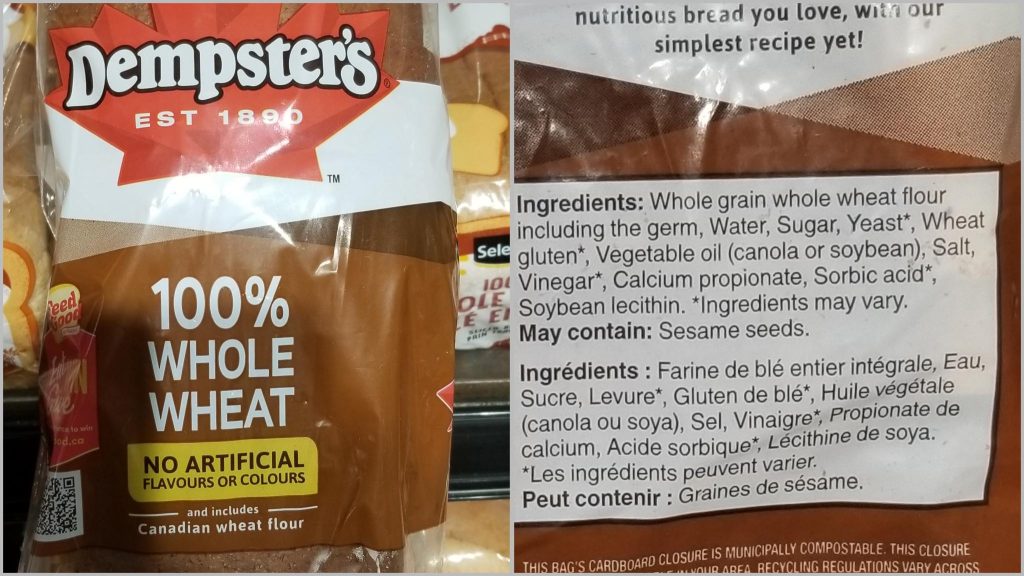
The label tells us that “whole grain whole wheat flour including the germ” is used, but it doesn’t tell us everything we need to know.
Were the whole grain kernels milled into a single flour with ALL of the bran and germ intact? Or was the flour “recombined” or “reconstituted” (the term used in the U.S.) from its separate parts?
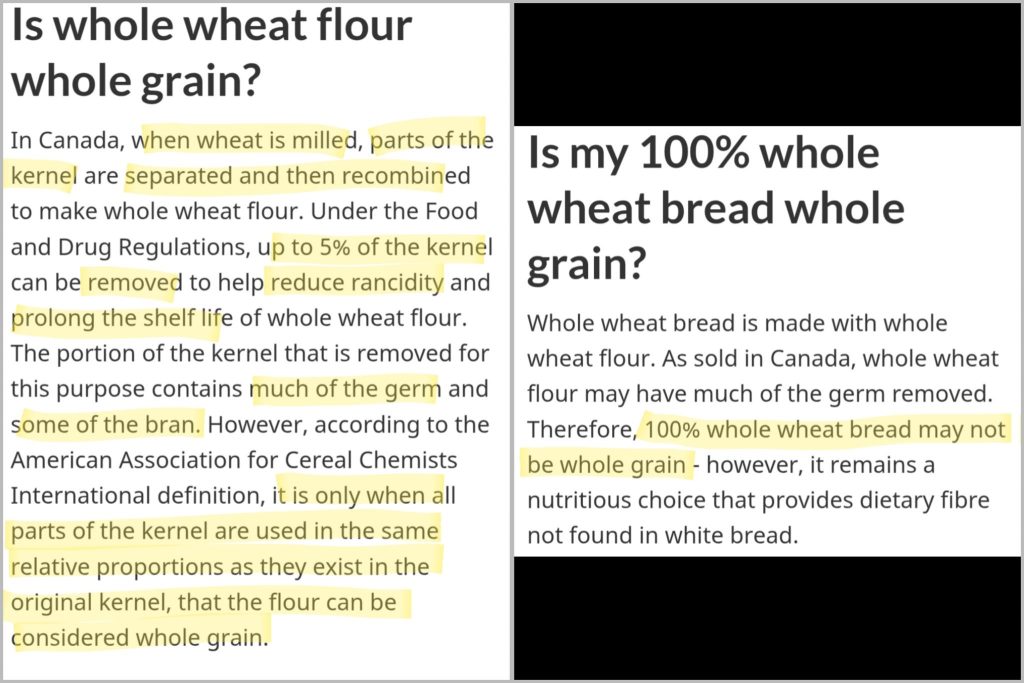
Yes, it is highly confusing and deceptive.
The Canadian government of the 1940s would have prosecuted today’s commercial bakeries for food fraud.
Identifying a real whole grain loaf of bread is a problem in many countries.
The lack of clear definitions for whole grain labelling that are established and enforced by law leads to inconsistent claims, rightfully confused consumers, and so-called whole wheat breads that aren’t always what they seem.
This is what boils my blood. That’s why I had to say goodbye to the whole charade and find another way.
Unfortunately, the only way to guarantee real 100% whole grain whole wheat bread that is also 100% delicious and does not taste like cardboard is to either source it from the rare local producer or make it yourself.
The Bread I Was Looking For
One bite, and you’re transported to another era.
Unrefined flour, water, salt, sourdough starter. That’s it.
A crackling crust, a chewy middle, and the unmistakable flavor of real bread.
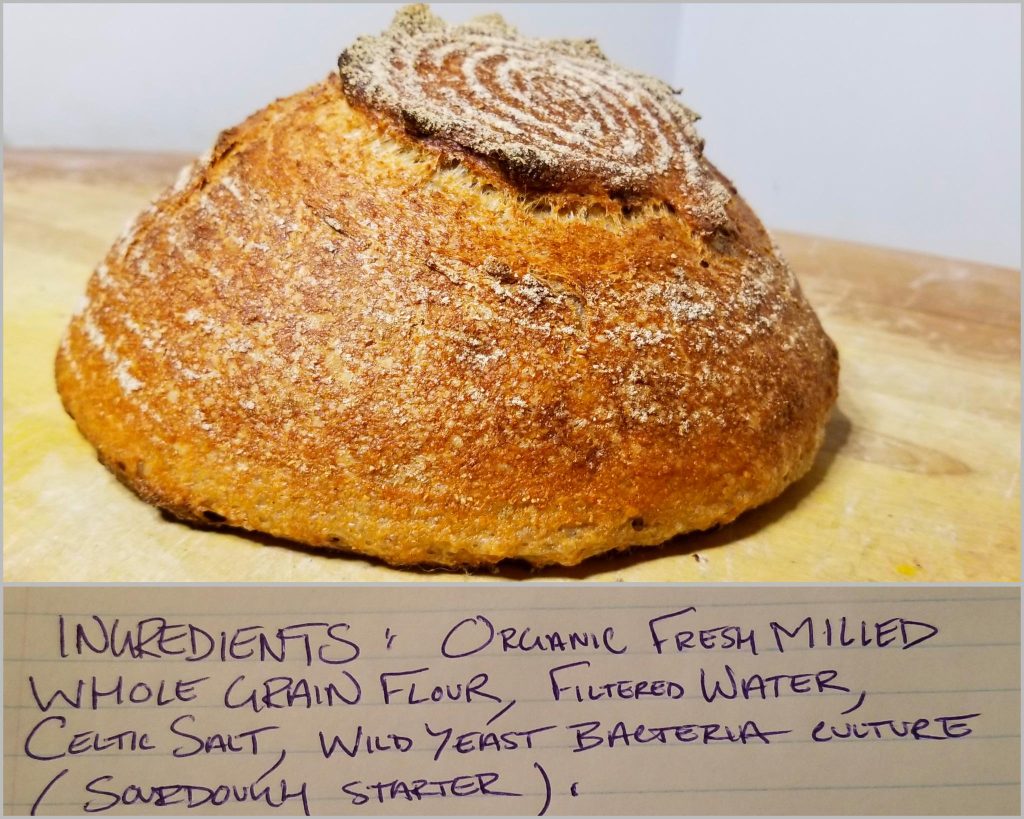
And then there’s the soft sandwich loaf — the very first recipe I ever published on this site.
Find my homemade sandwich bread recipe here!
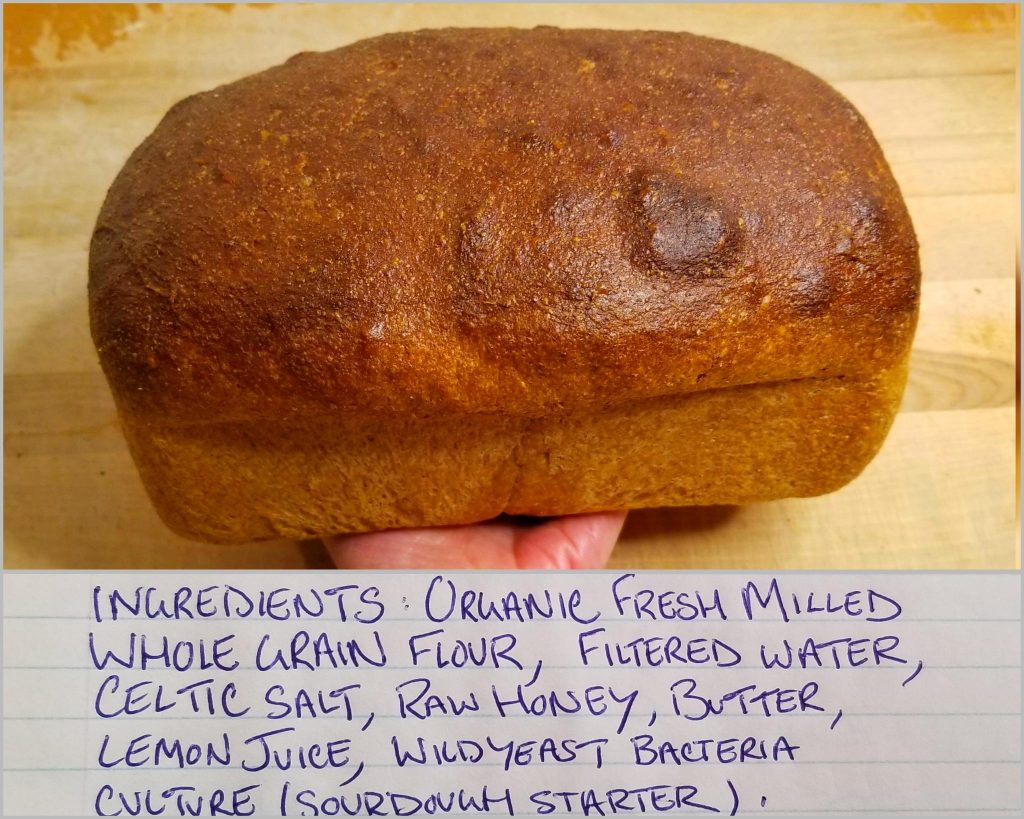
If you’ve ever stood in a supermarket bread aisle wondering why finding a simple, honest loaf has to be so complicated, here’s your next step:
Download my free Quick Start Guide to get started, from sourcing wheat berries and choosing your first grain mill to baking your first loaf worthy of the title Staff of Life.
Because once you know what real bread can feel like, it’s impossible to go back.

Leave a Reply